


Simplicity —
There is the innocence of simplicity. And also seasoned simplicity, born of experience and shaped overtime.
The first comes easily, perhaps. As natural as a child at play.
But seasoned simplicity takes effort (and patience), when carved through the baggage of time and the weight of experience, becomes far more difficult.
The second takes unlearning and relearning, forgetting and subtracting, reshaping again and yet again — a lifelong return to what is essential.
Simplicity grows elusive when life gets busier, with drown out noise, endless obligations, to-dos today, must-dos tomorrow, each day fuller and filled to the brim.
Simplicity, slipping away just when you think you have grasped it.
Simplicity, as an adult, is far harder. But certainly not impossible.
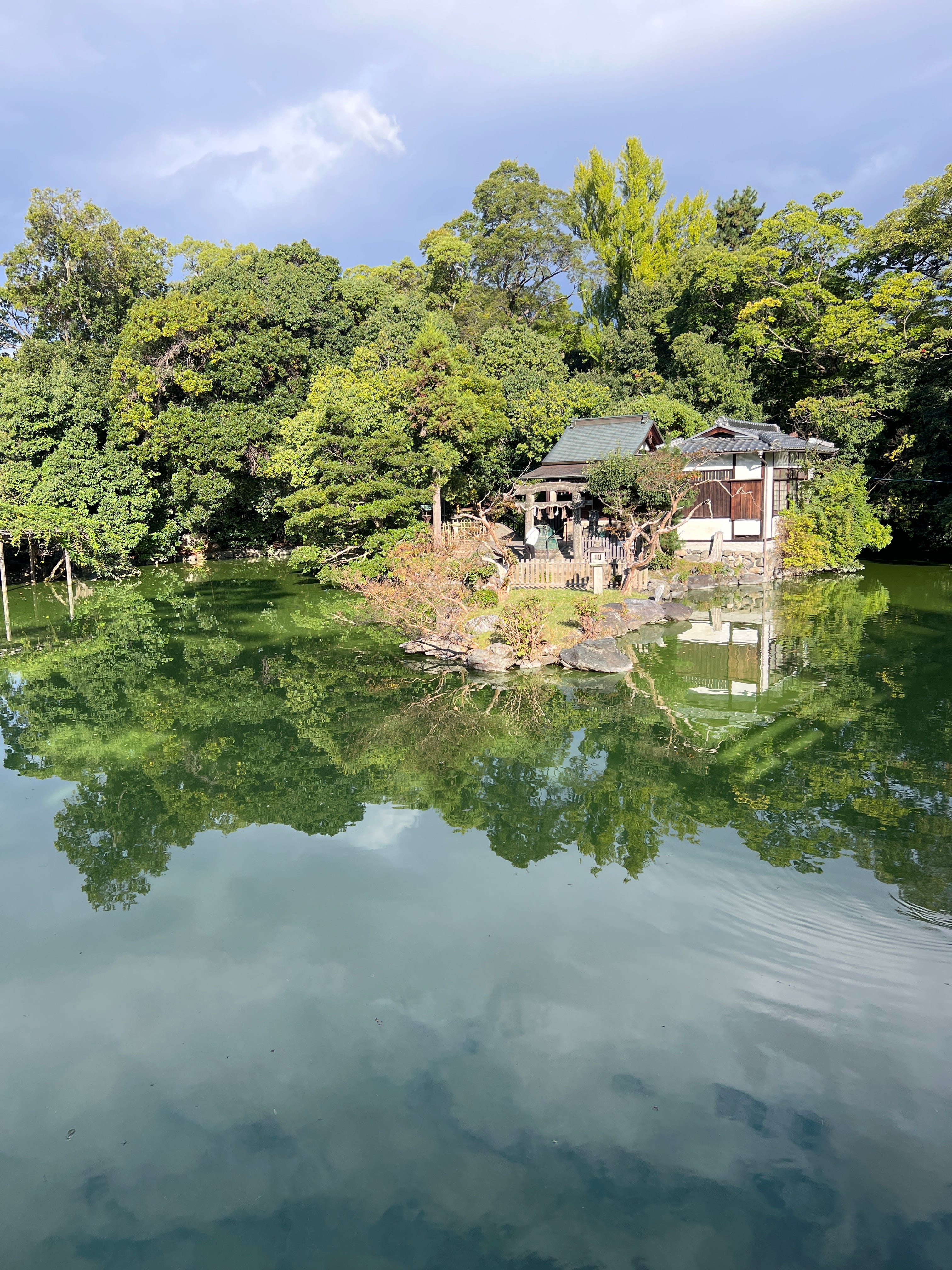
The second simplicity — our seemingly impossible act — emerges in the emptying. And in our return to it, shines with depth, like water mirroring the sky.
将来の計画
In class on Friday, we had to write a paragraph about our plans for the future (将来の計画 Shiyourai no keikaku) and verbally present it using the different relevant Japanese expressions we have just learned.
Expressions that apply only to instances “within our control”. And I find that even the slightest shift in Japanese words can carry a world of layered nuance.
First thought
たくさん日本語の本を読もうと思います (to omo imasu)。I think I will read a lot of Japanese books.
= A newly decided intention, used when announcing a plan right now.
Ongoing thought
たくさん日本語の本を読もうと思っています (to omotte imasu)。I am thinking of reading a lot of Japanese books.
= Implying that I have been thinking about this plan for sometime, an ongoing thought or opinion.
Fully decided thought
たくさん日本語の本を読むつもりです (tsumori desu)。I plan to read a lot of Japanese books.
= A firm plan, even more deliberate than the above. Conveying a stronger intention.
I find learning Japanese helpful in embracing a return to the beginner’s mind, to not feel embarrass when I speak in broken phrases, to stumble without shame when I make mistakes, and to be okay with being vulnerable.
Each mistake then becomes my teacher. After all, the desire to communicate matters far more than the need to be polished, no matter my language ability.
Writing in Japanese also meant simplicity, conveying my thoughts in sentences far simpler than I would in English.
And when I wrote my future plans in increments of 5, 10, 20 years, it did help in clarifying my thoughts and intention, boiling things down to the essence.
Learning a second language as an adult is, in many ways, a practice of returning to simplicity — deconstructing and reconstructing the world in new ways.
It asks me to set aside the fluency and familiarity of my familiar languages and to start again as a beginner, breaking down old-patterned ways of seeing and thinking and then rebuilding them.
Simplicity, this way, becomes a way of re-engaging the world with fresh eyes and an open mind — seeing, sensing, thinking — attuned to what is essential.
Simplicity found in Japan
...a delicate and slow process of removal to uncover the original taste of each ingredient - revealing a subtle simplicity mirroring the seasons and the soul of Japan.

"Expressions that apply only to instances “within our control”. And I find that even the slightest shift in Japanese words can carry a world of layered nuance."
Your thinking process —from the first thought through the ongoing thought to the fully decided thought —reminds me of something I read: begin with the smallest possible step.
My first thought of learning Mandarin is overwhelming. I'll never know this massive undertaking. However, the first step does not mean learning Mandarin thoroughly today. Today, the first step begins with the first symbol. What's inspiring is the insight found in comprehending the first symbol.
I may never learn a second language, but today I am not challenging myself to become fluent in one. I am taking the smallest step towards a more profound understanding of Chinese culture and traditions with the first symbol. Also, it's fun! 😀
Grateful to read your thoughts, Peck Gee Chua.
Im always struck by your reflections and observations. There is so much found even in paying attention to these nuances in phrasing an intention because it helps our clarity. Clarity again ultimately helps us in directing our Qi.
The Japanese language is a treasure!